Jeannine Gerkman
Author, Poet, Realtor
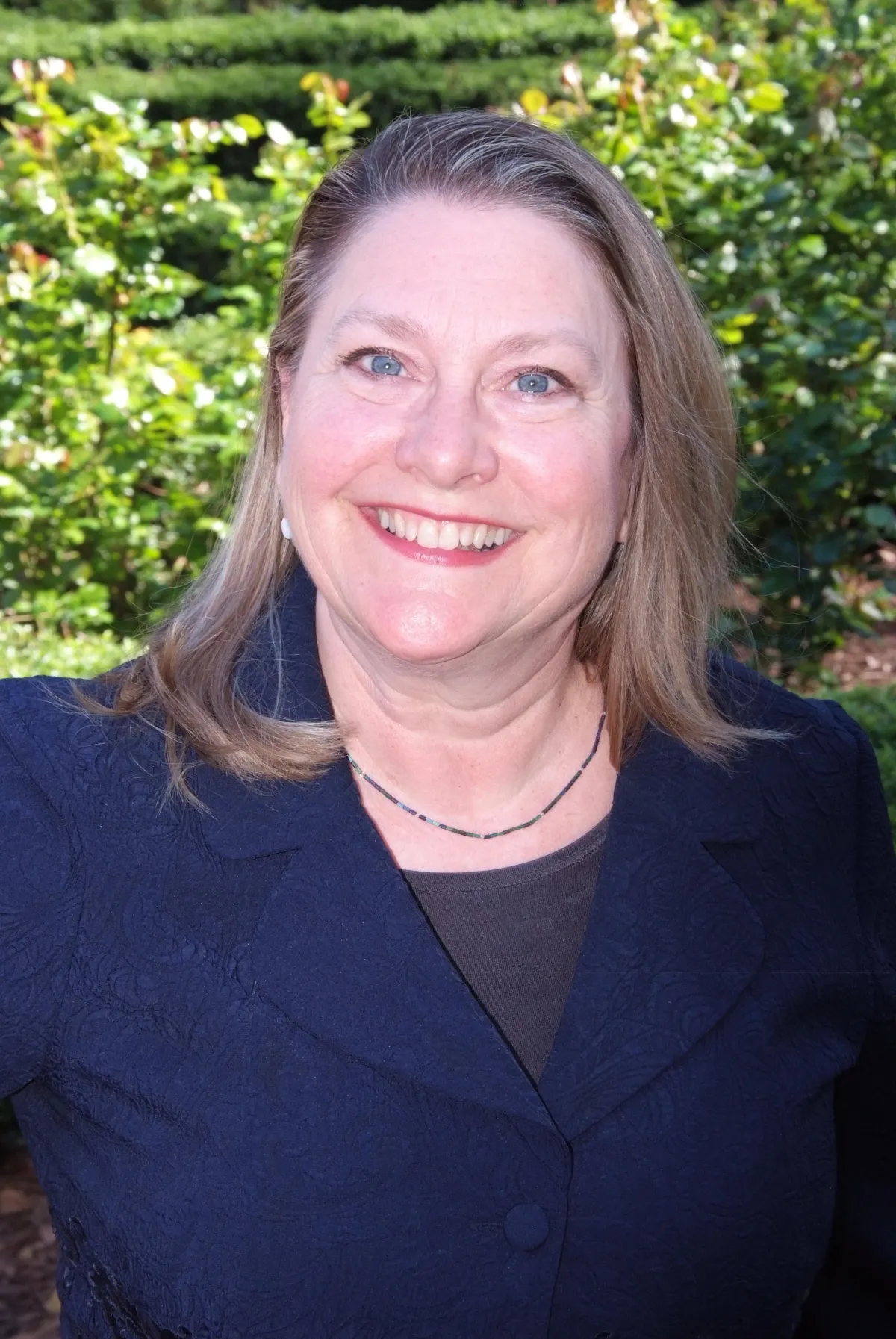
Jeannine Gerkman
WELCOME
Home is where the Heart is
COLDWELL BANKER CalRE# 00980740
Agent with Coldwell Banker since 1997
What a wet winter we've had! How is your home holding up? I've got damp in my crawlspace and will have to get someone out to help me with water mitigation. Oh, the joys of home ownership!
What is going on with our real estate market?
Eighteen homes are under $500,000; 50 are $5 Million and up in San Mateo County.
Belmont has nine homes for sale and four of those are single family residences (SFR) and the rest condos. The lowest asking price is $485,000 for a one-bedroom condo at the Belmont built in 1965 (HOA $597). The highest is $3,125,000 for a 4 bedroom, 4 bath home built in 1962 with sweeping views.
San Mateo has 58 homes for sale, 24 are SFRs, three are townhomes, and the rest are condos. The lowest asking price is $498,000 for a 1-bedroom condo East of I-101 built in 1984 (HOA $610). The most expensive is asking $5,400,000 for a 5 bedroom, 6 bath home was built in 2025 in the Baywood Park area. The lot size is almost 10,000 square feet and there is a HOA fee of $465.
San Bruno has 26 homes for sale, 12 are SFRs. Lowest price is $368,000 for a studio condo at Shelter Creek (HOA $522). The highest price is $2,988,000 for a 3 bedroom, 2 bath home built in 1963 on close to two acres advertised as an "investment opportunity". This home has been on the market for over a year.
Redwood City has 40 homes for sale, 23 are SFRs, six are townhomes, and the rest are condos. Lowest price is $429,999 for a studio condo built in 1970 (HOA $576). The highest price is $4,380,000 for a 4 bedroom, 5 bath home built in 2020 on a 12,000+ square foot lot with "breathtaking Bay views".
I've helped people purchase, sell or rent their homes in the Bay Area for over 25 years. We work with owners, relocation companies, renters, buyers, stagers, gardeners, contractors, inspectors and title officers to accomplish successful transactions. Coordinate, communicate and negotiate as needed. I'm semi-retired these days and work pretty much only with people who've been referred to me by past clients and/or friends.
Past Experience: Marketing Coordinator, U.S. First Credit Union Relationship Banking Officer & Assistant Vice President, Security Pacific Bank & Bank of America, Nanny, Certified Nursing Assistant, Author. My husband and I built our home from the ground up in Belmont, CA over 30 years ago.
I am an active member in the local congregation of Jehovah's Witnesses. I enjoy reading, Gilbert & Sullivan operettas, learning new languages and walking the lovely paths and gardens in the Bay Area.
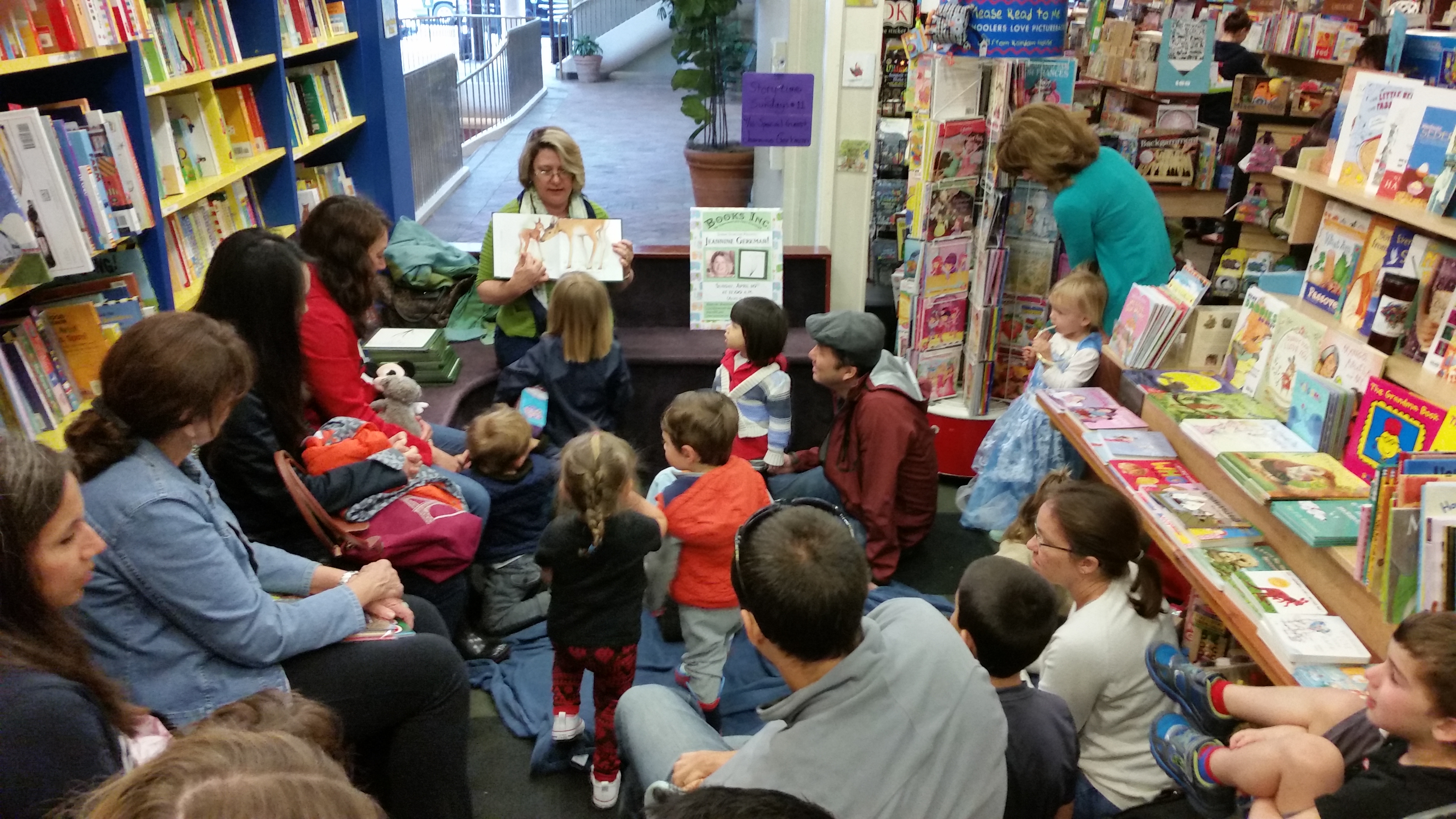
I’ve written over 60 poems and stories;(authorpoetrealtor.blog); published a picture book 'Spring' (available in bookstores); and continue to volunteer and help in the community where I can. Thank you for visiting my website.
Explore Our Best
real estate services

Condos

Single Family

Commercial
Explore Our Newest
Residential Properties

Home Valuation
A property valuation is an assessment of your property’s value, based on the location, condition and multiple other factors.


Mortgage Calculator
Mortgage calculators are automated tools that enable users to determine the financial implications of changes in one or more variables arrangement.
Explore Our Newest
Condos



What You Looking
Let's Help You

Buying A Home?
Buying your first home should be a rewarding and exciting time in your life, and one that you look back on with fond memories.

Selling A Home?
If you’re selling your home right now, or thinking about doing it soon, you should know that today’s housing market is unlike anything.
Contact Us
Let's Start A Conversation
Ask Us Anything
Frequently Asked Questions
Why do you need a Realtor?
When buying or selling a home, there are so many options…which can also present a lot of obstacles. Laws change, forms change, and practices change all the time in the real estate industry. Because it’s our job to stay on top of those things, hiring a realtor reduces risk, and can also save you a lot of money in the long run.
When you work with me as your Realtor, you’re getting an expert who knows the area; knows how to skillfully guide your experience as a seller or buyer; can easily spot the difference between a good deal and a great deal. My job is to translate your dream into a real estate reality, and I work hard to earn and keep my business. This also means earning your trust: When you work with me, you’ll be working with a realtor who looks out for your best interests and is invested in your goals.
Which loan should you choose?
There are two different types of loans conventional loans and government-backed loans. The main difference is who insures these loans:
1 - Government-backed loans (FHA, VA and USDA):
(a) - Are, unsurprisingly, backed by the government.
(b) - Include FHA loans, VA loans, and USDA loans.
(c) - Make up less than 40 percent of the home loans generated in the U.S. each year.
2 - Conventional loans
(a) - Are not backed by the government.
(b) - Include conforming and non-conforming loans (such as jumbo loans).
(c) - Make up more than 60 percent of the loans generated in the U.S. each year.
What is the difference between FHA, VA and USDA loans?
1 - FHA LOANS:
FHA loans, which are insured by the Federal Housing Administration, are typically designed to meet the needs of first-time homebuyers with low or moderate incomes. FHA loans can be approved with a down payment of as little as 3.5 percent and a credit score as low as 580.
FHA loans are often called “helper loans,” because they give a leg up to potential borrowers who may not be able to secure one otherwise. For this reason, FHA loans have maximum lending limits, which are determined based on housing values for the county where the for-sale home is located.
Because the agency is taking on more risk by insuring FHA loans, the borrower is expected to pay mortgage insurance both at the time of closing and on a monthly basis, and the property must be owner-occupied.
2 - VA LOANS:
VA loans are backed by the Department of Veterans Affairs and they are guaranteed to qualified veterans and active-duty personnel and their spouses. VA loans can be approved with 100 percent financing, meaning VA borrowers are not required to make a down payment.
Unlike FHA loans, borrowers do not have to pay mortgage insurance on VA loans.
3 - USDA LOANS:
You may also hear about USDA loans, which are backed by the United States Department of Agriculture mortgage program. USDA loans are intended to support homeowners who purchase homes in rural and some suburban areas. USDA loans do not require a down payment and may offer lower interest rates; borrowers may have to pay a small mortgage insurance premium in order to offset the lender’s risk.
What’s a conventional loan? Understanding what it means to be conforming and non-conforming
Buyers who have a more established credit history and a larger down payment may prefer to apply for a conventional loan. These loans may offer a lower interest rate and only require the home buyer to purchase monthly mortgage insurance while the loan-to-value ratio is above a certain percentage, so a conventional loan borrower can typically save money in the long run.
Conventional loans are divided into two types: Conforming loans and non-conforming loans.
1 - CONFORMING LOANS:
Conforming loans are those that meet (or conform to) predetermined standards set by Fannie Mae and Freddie Mac — two government-sponsored institutions that buy and sell mortgages on the secondary market. By selling the loans to "Fannie and Freddie," lenders can free up their capital and return to issue more mortgages than if they had to personally back every loan that they approve.
The main standard for conforming loans is that the amount borrowed must be under a certain amount; in Alaska, a single-family home loan must be under $647,200 in order to be considered conforming.
Properties with more than one unit have higher limits.
2 - NON-CONFORMING (JUMBO) LOANS:
But what happens if a borrower wants to borrow more than the Freddie- and Fannie-approved loan amount? In this case, they would have to apply for a “jumbo loan,” which is the most common type of non-conforming loan.
Because the lender cannot resell the jumbo loan (or any non-conforming loan) to Freddie Mac or Fannie Mae, jumbo loans are considered to be riskier than a conforming loan. To protect against this risk, the bank will typically require a higher down payment; the interest rate on a jumbo loan may also be higher than if the same borrower applied for a conforming loan.
What kind of rate should you choose?
Rate types: Fixed-rate vs. adjustable-rate mortgages.
In addition to the loan type you choose, you’ll also have to determine if you want a fixed-rate mortgage or an adjustable-rate mortgage (ARM). A fixed-rate mortgage has an interest rate that does not change for the life of the loan, so it provides predictable monthly payments of principal and interest.
An adjustable-rate mortgage typically offers an initial introductory period with a low-interest rate. Once this period is over, the interest rate adjusts periodically, based on the market index. The initial interest rate on an ARM can sometimes be locked in for different periods, such as one, three, five, seven, or 10 years. Once the introductory period is over, the interest rate typically readjusts annually.
Get In Touch With Us



Quick Links
Locate Us
580 El Camino Real, San Carlos California 94070
6505330998